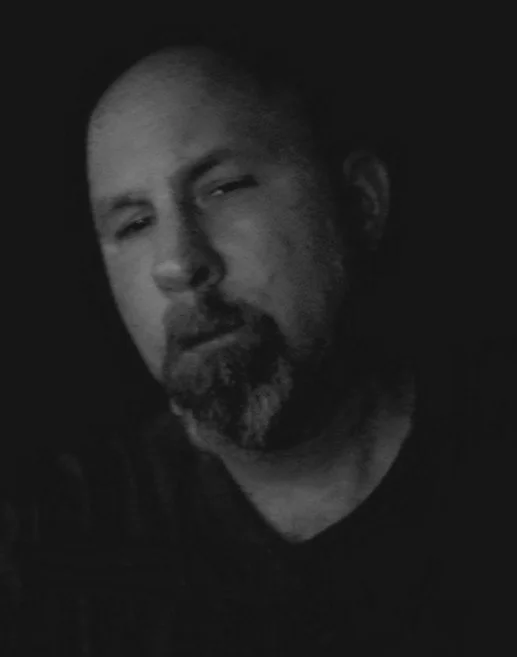
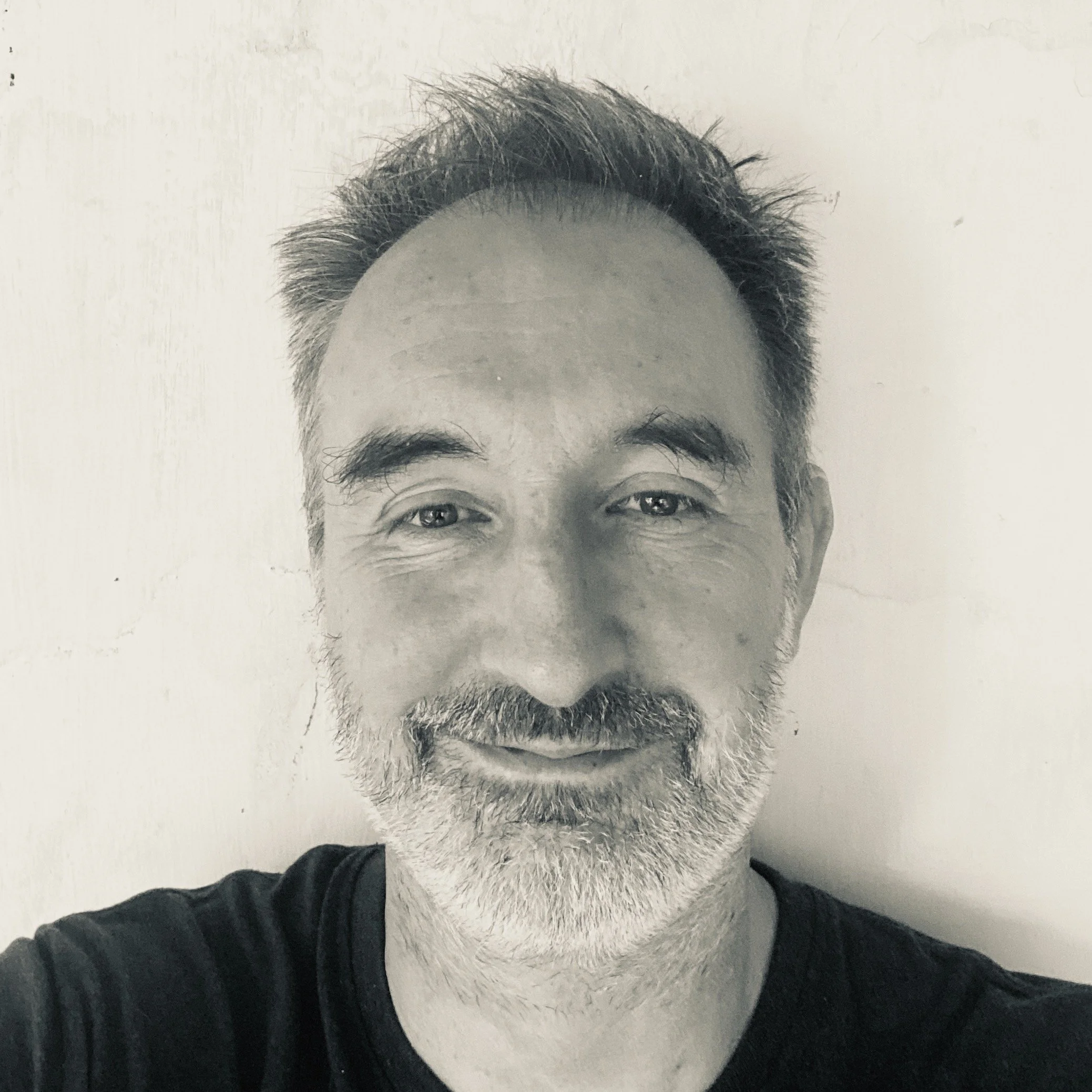
Mitchell Hadley
What made you decide to become a writer?
Two things, I guess: first, this burning desire to express myself in words and to share them with others; and second, to write the stories I wanted to read and couldn’t find.
How do you decide your plots? Are they taken from events that have happened to you? Do you base your characters on real people – or do you prefer to be fully creative and make them up?
My first novel was based on a “what-if” about a story I read in the news. My others were based not so much on something that happened to me, but something that happened to people I knew, or in the place where I lived. That was the spark, and I took it from there. My characters may share traits of people I’ve met or known throughout the years, or remind me of them, but the end product is entirely my product, for better or worse.
What comes first for you – the plot or the characters?
For a writer like me that prizes characters over plot, strangely enough, the plot usually comes first. But then I create the characters that I need to implement the plot, and the story becomes about them.
How many books have you written and/or published, and which is your favourite?
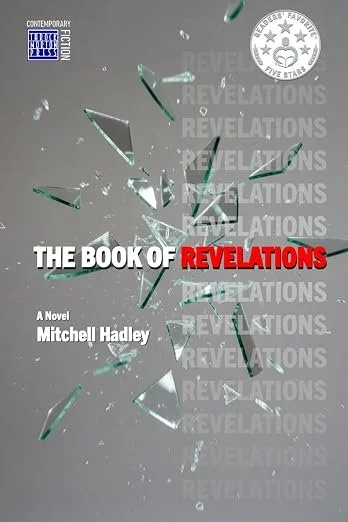
I’ve written three novels and two books on television history. Of all of them, my favorite is the one I just published, The Book of Revelations. That story and its characters became very dear to me. I may publish a book as good as Revelations, or one I’m as proud of, but never one that means more, or is better than it. I just can’t conceive of it.
Tell me more about your favourite book
Just one? Oh, my! Maybe The New York Trilogy by Paul Auster. It taught me the possibilities that writing held, possibilities I’d never even considered before. Meta fiction using pulp detective tropes, with a fictional version of the author as one of the characters. And the way all three of the books tell intertwined stories from different perspectives—well, it blew me away. .
What is your favourite genre to write in?
The literary / postmodernist / psychological genre. It has so many possibilities for someone who likes to craft words and phrases, and for me the plot often takes second place to the characters and the language .
Did you need to do research for your book? If so, how much did you do, how did you do it?
I did a lot of research on Indianapolis, 1965: the department stores that were downtown back then, the decorations they put up at Christmastime (the time at the start of the book), the new Children’s Zoo that had opened up the year before (I particularly had to make sure there was a Monkey Island), local radio stations, and details like that. I read old newspaper articles, looked through Polk’s business listings for the names and addresses of specific businesses, Indianapolis Public Library archives, the Indianapolis Star microfilm, Indiana historical resources, and 1960s lifestyle publications., and just about anything else I could find online. I only live about 90 minutes from Indianapolis, but I never visited there in 1965!
For the chapter that takes place during the Chicago blizzard of January 1979, in addition to the usual research, I spoke with Max Armstrong, who was on WGN radio in Chicago during the blizzard, and did some of the reporting. I actually made him a character in the book!
Would you travel to the area where your book is set? Do you already know the area? Have you written about that area because it’s a place you know? Have you used the original name of the area or manipulated place names?
I didn’t live in any of the places in the book during the time periods the story covers, but having grown up in the Midwest, I was pretty comfortable depicting it. I created fictitious house numbers based on real streets in neighborhoods that actually existed and would have been logical places where the characters would have lived at the time. I did that for the scenes in Indy, Chicago, and San Francisco, where the story ends. I was alive in 1965, but I experienced it as a five-year-old, not an adult or an eight-year-old (the age of my main character), so I knew the timeframe, but from a different perspective than the characters in the book. I’d travel to any of these places if I could, and I’d absolutely go back to 1965 if I were given the chance.
Do you write under a pseudonym or your own name?
My own name. I want to make sure I get all the credit! (Laughs)
Have you ever interviewed someone in relation to your book, in order to make your story more realistic?
Yes. In addition to Max Armstrong from WGN, I talked to some experts in particular fields of psychology to make sure that I was expressing an accurate understanding of things such as PTSD and survivor guilt. And to make sure I was getting some of the historical details right.
Does your family read your work?
My wife is my family, and she reads everything I write. She’s my first and best critic.
How much does she support you?
One hundred percent. My wife constantly stresses the value of what I write. I wouldn’t be anything without her.
How many hours a day or week would you say you spend writing? Is it a potential career for you, is it something you do outside your day job?
I’m retired, so it is my job now! I wrote three of my books while I was working, I’m living my second, and best life, right now. I never would have had the courage or self-confidence to try and make a career of it when I was working.
Is writing therapeutic for you, or does it cause you to stress out?
Both, because the kinds of subjects I write about are, by definition, ones that cause a lot of interior questioning. And I love writing, but I’m a perfectionist, so it’s hard for me to get to the point where I’m satisfied.
How do you market your books?
Badly! (Laughs) I’m still working through that. I’ve done more advertising for this book, more social media of different kinds, and I’ve tried to get my book into regional indie stories. Unsuccessfuly, unfortunately, I might add. And then there’s word of mouth, which is the best kind of advertising. It is, by far and away, the most stressful and most unpleasant part of being a writer for me.
Tell me why you market them this way – how it helps.
It’s about all I can do. When there’s no alternative, there’s no problem.
How do you react to reviews? Would you prefer just good ones or are you okay to receive a bad one occasionally?
I think lesser reviews can be just as helpful, if they explain it in such a way that the reader can make up their own minds. I’ve enjoyed many books that got less than five-star reviews but the reviewer mentioned something I thought I’d like. As for reviews in general, I only pay attention to them as part of the marketing. If you don’t want to believe the bad ones, you can’t really fawn over the good ones. But I’m very grateful to anyone who takes the time.
You can find a lot more information about Mitchell on his website and various social media platforms: