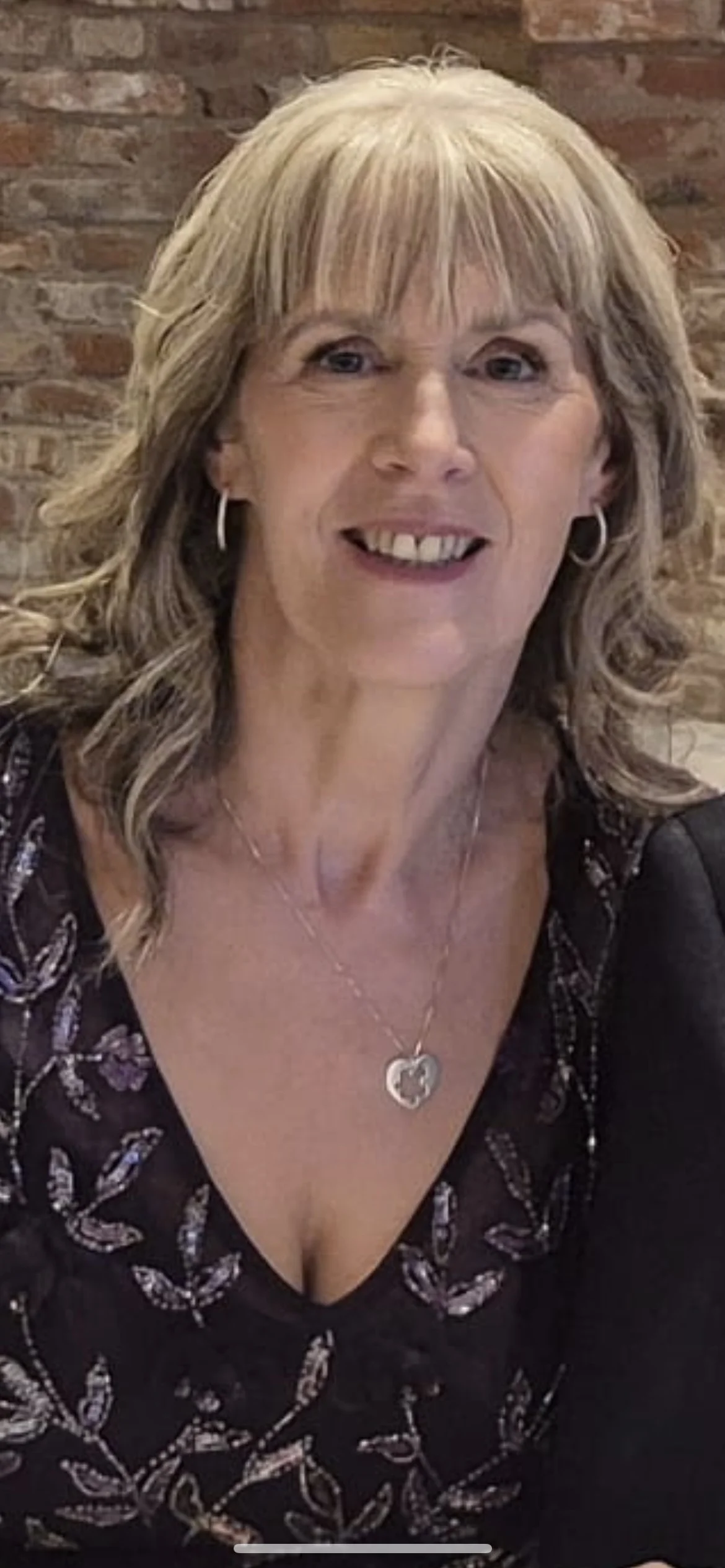
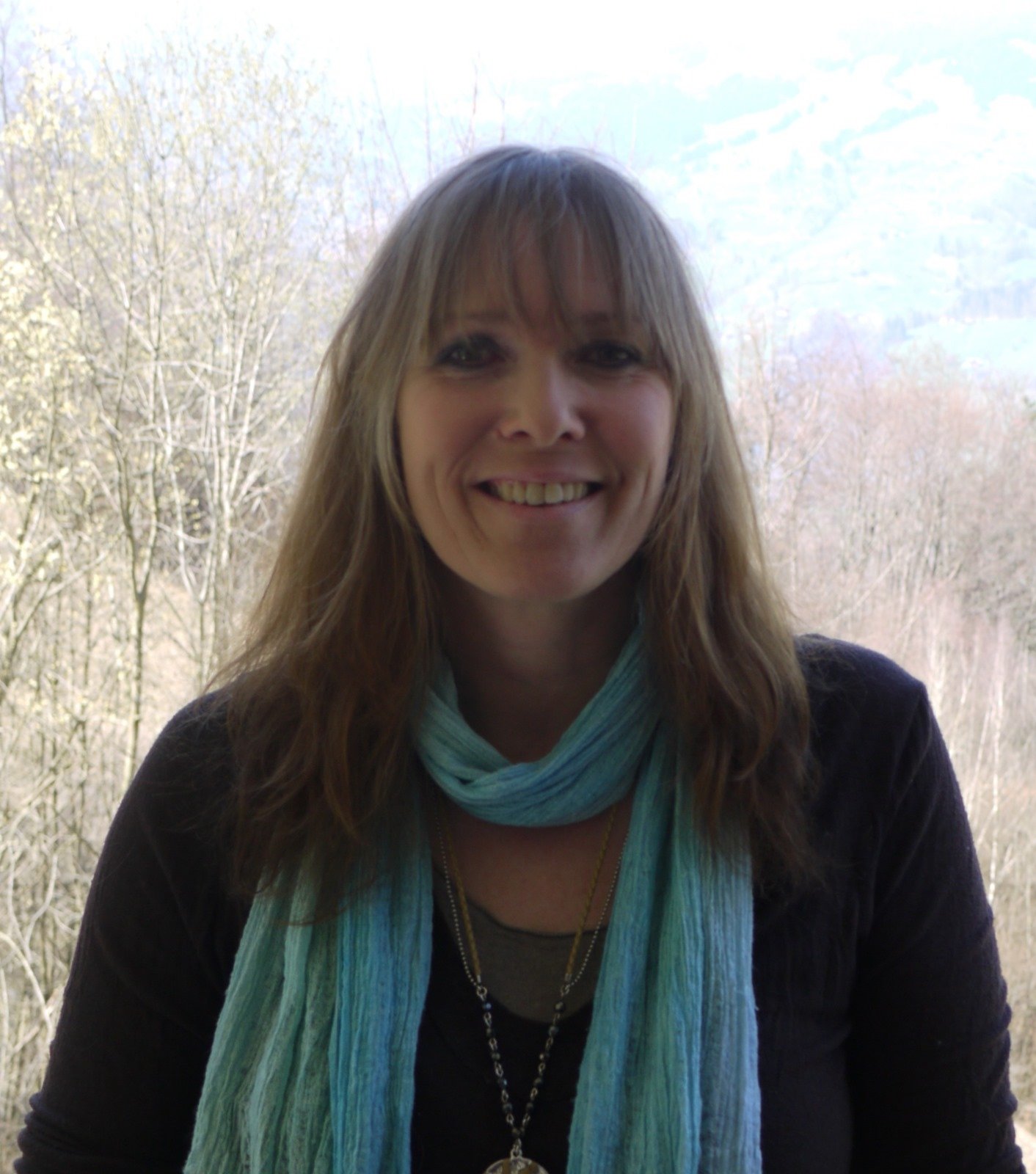
Mandy Hickson

What made you decide to become a writer?
For years people would say, “You should write a book.” I would smile politely and carry on flying. But eventually I realised that the stories I was telling in hangars, boardrooms and after-dinner speeches were landing because they weren’t really about aviation at all. They were about fear, failure, imposter syndrome, leadership, decision-making under pressure and resilience.
Writing became the natural extension of that.
I wanted to capture the lessons I learned as one of the first women to fly the Tornado GR4 in the RAF, not as a technical flying manual, but as a human story. I had spent years speaking to audiences about courage and mindset. A book allowed me to go deeper. It allowed me to reflect.
How many books have you written and/or published and which is your favourite?
I have written two books.
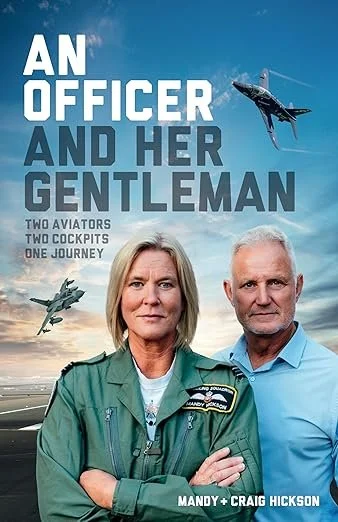
Choosing a favourite feels a little like choosing between children, but my second book probably holds a slightly deeper place in my heart. By the time I wrote it, I was braver. I was more honest. I was prepared to explore failure and vulnerability more openly.
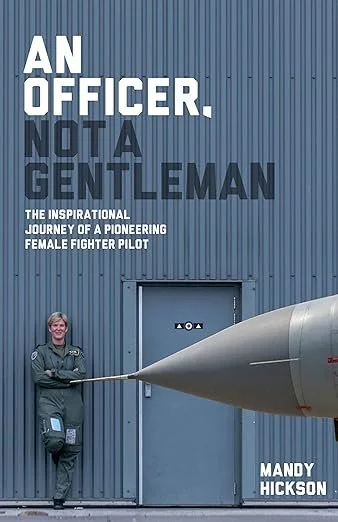
The first book was about proving I could do it.
The second was about understanding why it mattered.
Tell me more about your favourite book…
The book follows my journey from a determined young girl with a slightly improbable dream to flying operational missions in the Tornado GR4.
The setting moves from RAF selection centres to training squadrons to operational deployments. It’s grounded in very real environments: briefing rooms, desert airfields, simulators, mess dinners, quiet moments alone in quarters the night before something significant.
It is written in the first person because authenticity matters to me. I want readers to feel as if they are sitting beside me in the cockpit or standing with me outside the aircraft after a sortie.
The tense is reflective but immediate. I often bring readers directly into the moment before stepping back to draw out the lesson.
The real narrative arc, however, is internal. It is about fear of failure, imposter syndrome, resilience and the growth of self-belief.
Did you need to do research for your book? If so, how much and how?
Yes, although perhaps not in the conventional way.
The technical aviation knowledge was lived experience. But I checked facts carefully. Timelines, aircraft specifications, operational details, ranks and procedures all had to be accurate. I also revisited logbooks and old notes. I spoke to former colleagues to confirm details and perspectives. Memory can be selective, so I wanted integrity in the storytelling.
In my second book, which explores failure and resilience more deeply, I also drew on psychological research around mindset, imposter syndrome and performance under pressure.
Would you write any genre or do you stick to one?
At the moment, I stay within memoir, leadership and mindset.
That said, I never rule anything out. The discipline of aviation taught me that growth often lies just outside your comfort zone. But whatever I write, it will always come back to people under pressure and how they respond.
Have you ever interviewed someone in relation to your book?
Yes, although the story is mine, the context is broader. I have spoken with former colleagues to ensure fairness and accuracy. I have also engaged with psychologists and performance experts when exploring themes of resilience and fear of failure.
If I am going to write about mindset and leadership, I want it to be grounded in more than anecdote.
Does your family read your work? Do they support you?
Yes, they do. My husband, with his own background in military and commercial aviation, understands the world I am writing about. His perspective is invaluable. He challenges me when something doesn’t quite ring true.
My family are enormously supportive. Writing is solitary. Speaking is public. Having people who understand both sides of that is a gift.
Is writing therapeutic or stressful?
Both.
It is therapeutic because it forces reflection. It allows me to process experiences that were intense at the time.
But it can also be uncomfortable. Writing honestly about doubt, imposter syndrome or mistakes requires vulnerability.
How do you market your books?
Primarily through speaking engagements, corporate events, podcasts, LinkedIn and word of mouth.
My audience often meets me on stage first. The book then allows the conversation to continue long after the event ends.
I also engage with media interviews and leadership networks. The book becomes a tool within a broader ecosystem of communication.
Why do you market them this way? Would you accept help?
I am not a full-time novelist relying solely on bookshop discovery. My readers are leaders, teams and organisations who are already engaging with themes of resilience and performance.
Marketing through speaking and professional networks means the book reaches people who are actively looking for those insights.
That said, I am always open to support. Publishing is a team sport. Aviation taught me that no one succeeds alone.
How do you react to reviews?
I read them. Of course I do. Good reviews are affirming, particularly when someone says the book changed how they see their own challenges.
Constructive criticism is also useful. You cannot speak about resilience and then be fragile in the face of feedback. I’ve had to take plenty of ‘constructive’ feedback throughout my flying and speaking careers!
If the book helps even a handful of people face fear differently, then it has done its job.
You can learn more about Mandy here: